The Unscheduled Hour: Designing Ultra-Luxury Travel Around Time, Not Places
The most refined private journeys are not defined by how much they contain, but by how naturally they allow time to unfold. VERTU’s global travel and mobility concierge approach begins with a quieter brief: protect the client’s pace, attention and sense of ease.
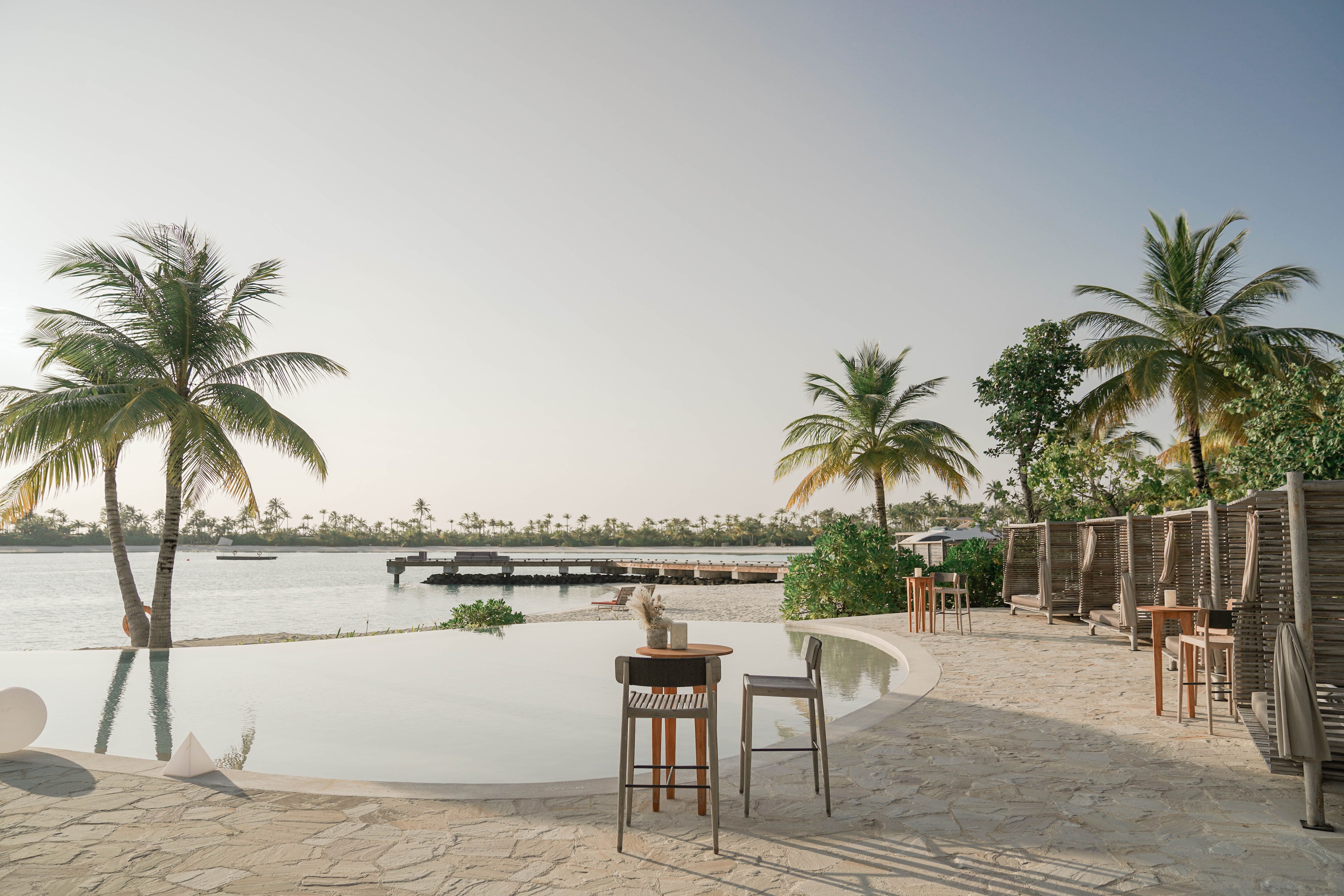
Luxury travel is often described through destinations: a remote island, a private villa, a celebrated restaurant, a discreet arrival or an exceptional suite. Yet the most valuable element in a truly exceptional journey is rarely a place. It is the quality of time experienced between places.
For the modern private traveller, the brief is becoming more precise. The question is no longer simply where to go, but how to move through the world without surrendering attention, energy or personal rhythm. This is where the role of an Ultra-Luxury Travel Designer begins: not with a catalogue of destinations, but with an understanding of how a client wants to feel before, during and after the journey.
VERTU's global customized ultra-luxury private travel and life experiences are shaped around that principle. As a global travel and mobility concierge, the service is designed for clients who seek unforgettable memories and supreme relaxation without allowing logistics to become the visible subject of the trip.
The New Measure of Luxury Is Continuity
A conventional itinerary is a sequence of bookings. A private journey is a sequence of transitions. The difference lies in what happens between the obvious highlights: the departure from home, the airport experience, the transfer to a residence, the timing of a meal, the pace of a cultural visit and the space left deliberately unfilled.
Public descriptions of leading luxury travel concierge services consistently place emphasis on personalized planning, local and global relationships, firsthand knowledge and support throughout the journey rather than on booking alone. Other specialist agencies similarly define high-end travel through tailor-made design, insider access, preferred partnerships and attentive execution. These distinctions point to a broader truth: in ultra-luxury travel, value is created through continuity.
Continuity means that a traveller does not have to repeatedly explain personal preferences, dietary requirements, preferred pace or tolerance for interruption. It means that a journey feels composed even when it crosses borders, time zones and modes of transport. It also means knowing when not to add another experience.
Designing Around the Client's Natural Pace
The most intelligent itinerary does not attempt to maximize every hour. It creates a structure in which the client can remain fully present. A morning may be reserved for a private encounter, followed by an unhurried lunch and an afternoon with no fixed objective. A multi-destination journey may be made more restorative by reducing unnecessary changes, protecting sleep and placing the most demanding experiences at the right point in the rhythm.
| Journey consideration | Conventional approach | Ultra-luxury design principle |
|---|---|---|
| Destination selection | Begin with a list of famous places | Begin with the client's desired state of mind |
| Daily schedule | Fill the available time | Protect space for spontaneity and recovery |
| Mobility | Treat transfers as necessary logistics | Design each transition as part of the experience |
| Access | Choose what is publicly available | Explore appropriate private, local or specialist access |
| Service | Respond when a problem appears | Anticipate friction before it becomes visible |
This approach is particularly important for clients whose professional lives already operate at speed. For them, a private journey should not become another performance of efficiency. It should provide a different kind of luxury: the freedom to move without hurry, decide without pressure and experience without distraction.
From Itinerary to Personal Travel Architecture
A carefully designed journey begins with a quiet conversation. The destination may be discussed, but so are the less obvious variables: how much structure feels reassuring, which moments deserve privacy, what kind of discovery remains meaningful, and what should never be compromised.
The resulting itinerary is not simply a list of hotels, restaurants and excursions. It is a personal travel architecture with several layers. The first layer is mobility: how the client reaches each stage with minimum friction.
The second is atmosphere: the relationship between landscape, residence, dining and cultural context. The third is access: the people, places and perspectives that create depth without turning the experience into a spectacle. The fourth is resilience: the ability to adapt while preserving the character of the journey.
This is also why a travel concierge differs from an online booking platform. A booking platform can display availability. A travel designer must interpret intent. The strongest public examples describe a relationship-building conversation in which priorities and expectations are understood before arrangements are made. That consultative beginning is the foundation of a more personal form of service.
The Quiet Intelligence Behind an Unforgettable Memory
Unforgettable memories are not always produced by rarity alone. They are often produced by the precision of the setting: the right guide, the right hour, the right degree of privacy, the right distance from the next commitment. A private cultural visit may become more meaningful when it is not rushed. A remote landscape may be remembered less for its amenities than for the silence surrounding it. A celebrated dining experience may matter because the entire evening was allowed to unfold naturally.
In this sense, personalization is not decorative. It is operational. It informs the sequence of the day, the length of a transfer, the choice of residence, the level of assistance and the number of decisions placed in front of the traveller. The goal is not to make every moment extraordinary in isolation. It is to make the complete journey feel effortless in retrospect.
VERTU and the Art of Supreme Relaxation
For VERTU England, global travel and mobility concierge is best understood as an extension of a larger philosophy of refined living. It is not about travelling farther simply because distance is available. It is about travelling better because every element has been considered.
That consideration may take the form of a bespoke itinerary across several countries, a private escape designed around recovery, a milestone journey for family or companions, or a seamless combination of travel, dining, culture and personal interests. The geography can change. The standard remains the same: discretion, coherence, responsiveness and a clear respect for the client's time.
The ultimate luxury is therefore not the accumulation of privileges. It is the removal of unnecessary effort. When mobility is composed, access is thoughtfully calibrated and the itinerary leaves room for the unexpected, the traveller receives something more lasting than a perfectly arranged holiday. They receive the freedom to inhabit the journey fully.
A More Considered Way to See the World
The next era of ultra-luxury travel will belong to journeys that understand restraint. The finest experience may include a private aircraft, a remote residence, a yacht, a rare cultural encounter or an exceptional table. But its true distinction will be felt in the transitions: the calm arrival, the unhurried morning, the absence of repetition and the confidence that every detail is being held with care.
VERTU's global customized ultra-luxury private travel and life experiences are created for that level of intention. For clients seeking unforgettable memories and supreme relaxation, the journey begins not with a destination, but with a question: what should time feel like when nothing important has been left to chance?